
As the country approaches its 250th anniversary, there is a growing call to define what the next chapter should require, not just what it should promise. Our Fair Chances & The Next 250 networking mixer on April 16 was grounded in that question: What must be true for fair chances and economic mobility to exist in the next 250 years?

Participants were asked to identify the conditions most essential to that future and common themes arose around access to stable housing. Fair wages and employment opportunities followed, along with access to education and training and community-based support systems. Access to healthcare was also named, though less frequently, and family reunification, while selected by fewer participants, was still recognized as part of what stability requires.
These selections point to a clear understanding that economic mobility is not driven by a single system. It is shaped by whether people can secure and maintain stability across multiple areas at the same time. Housing, employment, education, healthcare, and community support are not separate pathways. They operate together, and gaps in any one of them can interrupt progress across the rest.
The emphasis on housing is particularly significant. Without stable housing, it is difficult to maintain employment, receive consistent healthcare, or participate in education and training programs. For individuals returning home from incarceration, housing instability remains one of the most immediate barriers to reentry. When housing is not accessible, other supports are less effective, and the likelihood of continued system involvement increases. The focus on fair wages and employment reflects a similar concern. Access to work alone is not sufficient if wages do not support basic needs or if employment is unstable. Participants were not only identifying the need for opportunity, but for conditions that make that opportunity viable over time.
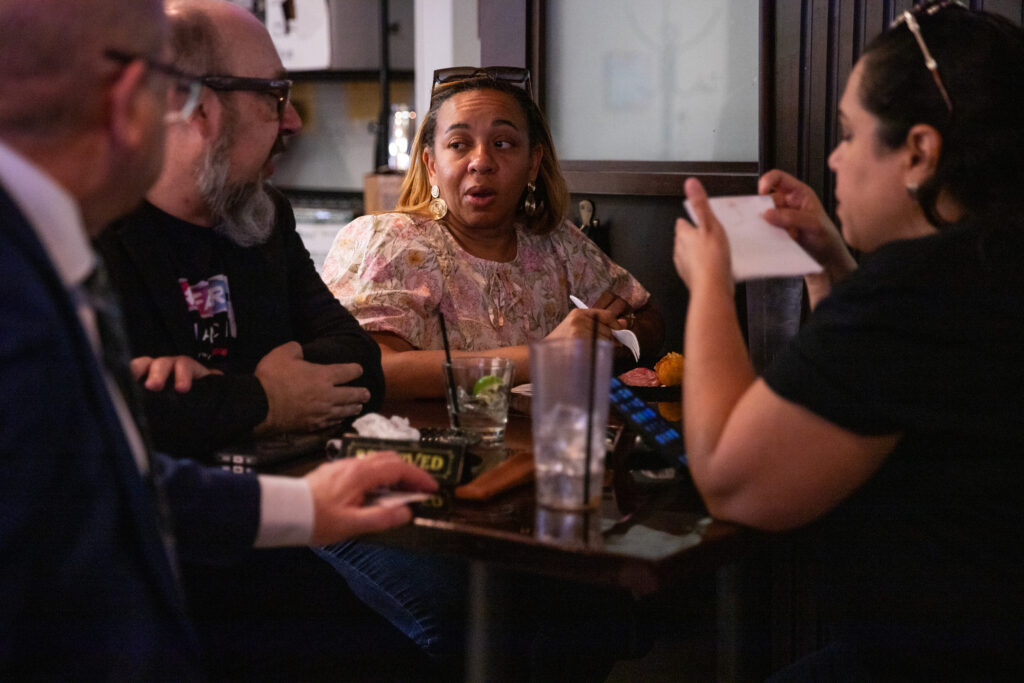
Education and training, along with community-based support systems, were also identified as essential. These responses point to the need for sustained investment in pathways that allow individuals to build skills, access networks, and remain connected to support beyond initial reentry. Community-based organizations often serve as the primary point of continuity for individuals navigating multiple systems, particularly when formal institutions are difficult to access or navigate.
Additional reflections provided further context for these priorities. Participants raised the need to address the long-term consequences of arrest and conviction, particularly policies and practices that lead to continued exclusion from housing, employment, and education. The call to end permanent marginalization reflects a recognition that economic mobility cannot be achieved if individuals remain defined by past system involvement. There was also emphasis on increasing the presence of directly impacted individuals in policymaking roles. This includes both formal representation through elected office and expanded influence in shaping policy decisions related to incarceration, reentry, and alternatives to incarceration. Lastly, the reduction of public stigma was also raised as a necessary condition. Stigma influences how policies are written, how programs are implemented, and how individuals are treated when accessing services. Without addressing stigma, barriers to participation and opportunity remain, even when formal eligibility requirements are met.
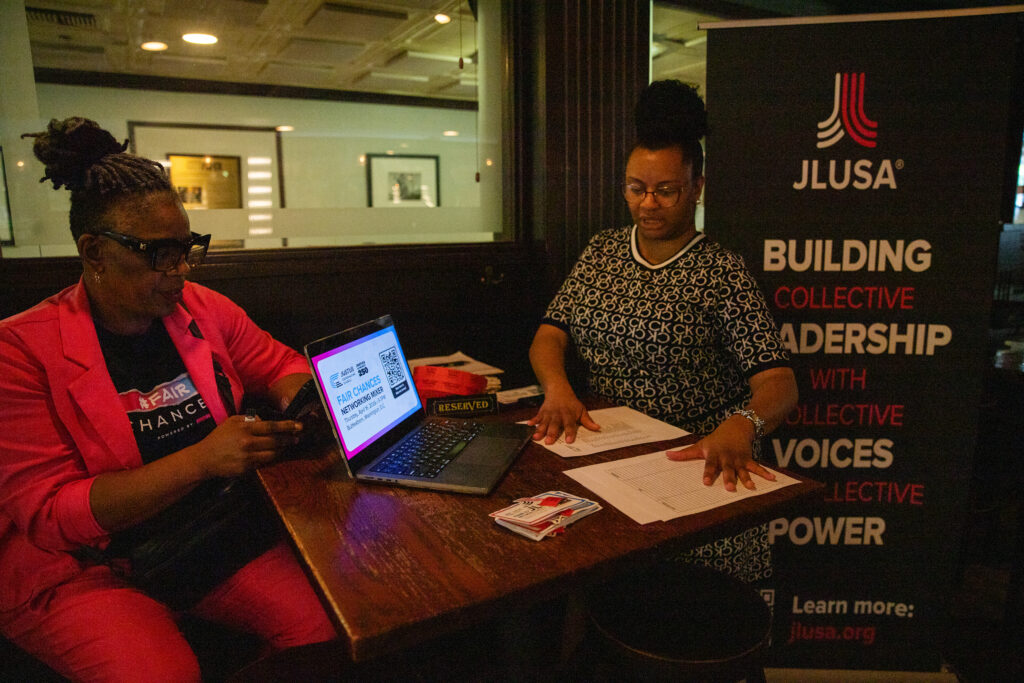
As we move forward, the challenge for each of us is to make a public commitment to advancing fair chances and access for directly impacted individuals and communities over the next 250 years. Defining the future is not separate from acting in the present, and the conditions that shape everyday life are already being determined by policy decisions at the federal, state, and local levels.
This is particularly relevant in the current policy environment, where federal legislation establishes broad requirements, but states determine how those requirements are implemented. The JustUS Coordinating Council’s State Implementation Playbook outlines how administrative decisions related to eligibility, verification, and exemptions directly affect access to healthcare and nutrition. These decisions are especially consequential for individuals navigating reentry, where housing instability, income variability, and documentation challenges are common.
Our collective vision for Fair Chances and The Next 250 reinforces that economic mobility depends on how these decisions are FELT in the community. Access is not only defined by policy language, but by how systems operate on the ground and whether they are designed to support stability over time. The question moving forward is how those choices are made, and whether the systems responsible for delivering access reflect the realities of the communities they are intended to serve.